

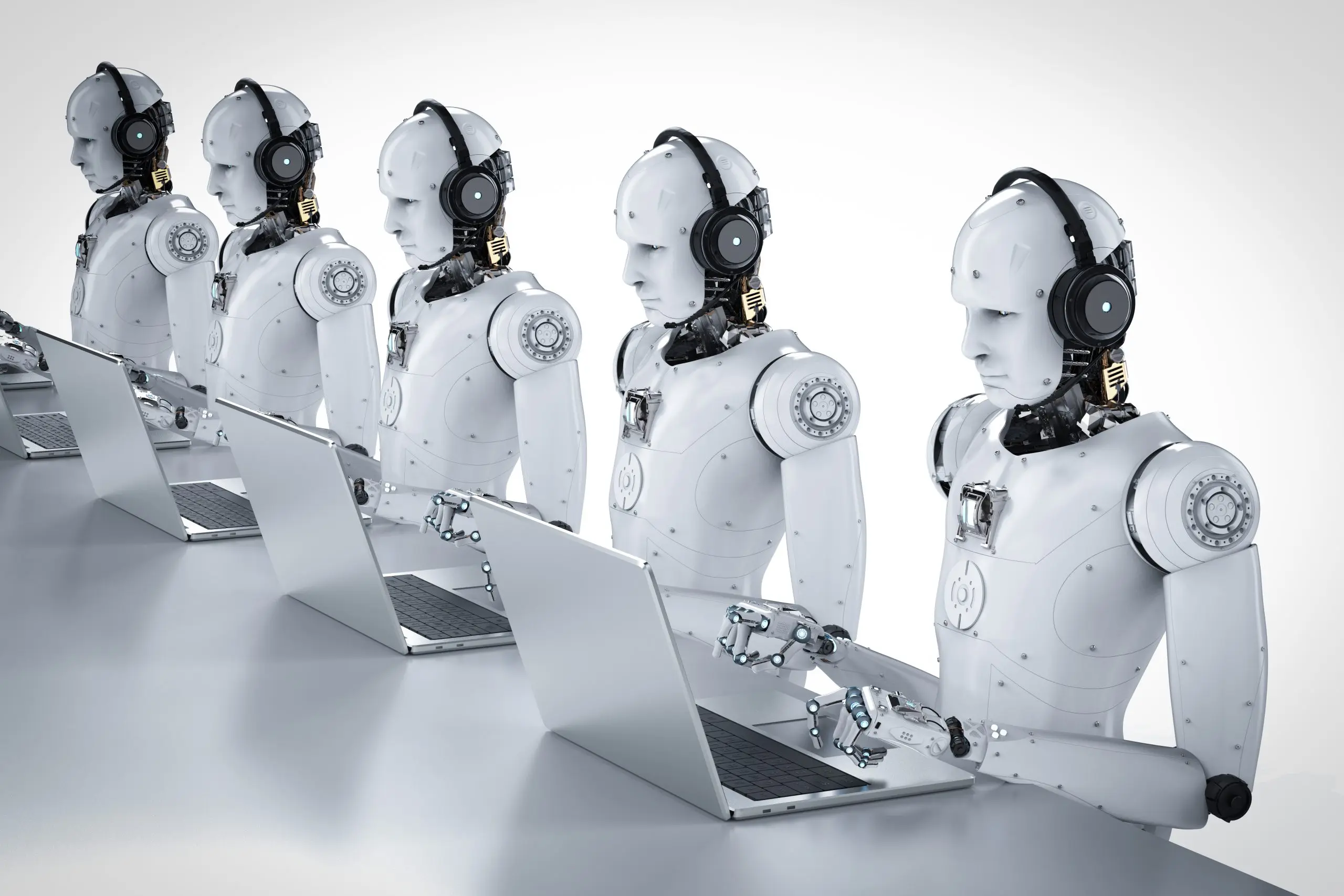
Robotics technology has advanced at an unprecedented pace, reshaping industries, businesses, and daily life. Among the most influential and rapidly growing categories are service robots — machines designed to perform tasks that assist humans across various environments. From delivery and hospitality to healthcare and home assistance, service robots are redefining what efficient, safe, and intelligent automation can achieve.
As artificial intelligence, sensors, and autonomous navigation improve, the future clearly belongs to intelligent service robots. They are not just futuristic concepts — they are already here, working alongside humans in homes, hospitals, warehouses, and even restaurants.
What Are Service Robots?
A service robot is an autonomous or semi-autonomous machine designed to help humans by performing practical tasks. Unlike industrial robots, which work in factories, service robots operate in real-world human environments such as hotels, airports, shopping centers, hospitals, and homes.
These robots rely on:
- Artificial intelligence (AI)
- Machine learning
- Sensors and cameras
- Autonomous navigation
- Voice interaction systems
- Cloud connectivity
Their purpose is to improve productivity, enhance safety, and make daily operations more efficient.
Why Service Robots Represent the Future
1. Growing Need for Automation
With increasing labor shortages, rising operational costs, and growing demand for 24/7 services, service robots offer consistent performance without fatigue or human error.
2. Advancements in AI and Autonomous Navigation
Modern robots can understand environments, avoid obstacles, map territories, and interact with humans naturally.
3. Increased Focus on Hygiene and Safety
After global health challenges, businesses and facilities worldwide are adopting robots for cleaning, disinfection, and contact-free service.
4. Cost Efficiency Over Time
Although the initial investment may be significant, service robots reduce labor costs and increase efficiency, making them financially beneficial in the long term.
5. High Reliability and Scalability
Robots can perform repetitive tasks endlessly, making them ideal for any business that wants consistent quality.
Types of Service Robots
Service robots come in many forms, each designed for specific environments and needs. Below are the most common and rapidly developing categories.
1. Delivery Robots
These robots transport goods autonomously within buildings or across short outdoor routes.
They are used in:
- Hospitals (to deliver medications and lab samples)
- Hotels (to deliver items to guest rooms)
- Restaurants (to bring food to tables)
- Warehouses (to move packages or inventory)
Key technologies include LiDAR, SLAM navigation, obstacle avoidance, and secure cargo compartments.
2. Cleaning and Disinfection Robots
Cleaning robots have become essential in hotels, airports, malls, and office buildings.
They perform tasks such as:
- Floor cleaning and mopping
- Vacuuming large areas
- UV-C disinfection
- Air purification
They provide healthier environments and reduce human exposure to harmful contaminants.
3. Hospitality and Service Robots
These robots interact directly with customers and guests.
Common roles include:
- Greeting visitors
- Providing information
- Guiding guests through buildings
- Room service delivery
- Assisting with check-in processes
Their friendly design and conversational abilities make them ideal for customer-oriented businesses.
4. Healthcare and Medical Assistance Robots
In hospitals and care facilities, robots help with:
- Medication delivery
- Patient monitoring
- Assisting elderly or disabled individuals
- Telepresence communication with doctors
They reduce manual workload and improve patient safety.
5. Educational and Companion Robots
These robots assist with learning, communication, and emotional support.
They are used in:
- Classrooms
- Rehabilitation centers
- Homes with elderly residents or children
AI allows them to recognize voices, emotions, and individual educational needs.
6. Retail and Shopping Assistants
Retail robots help customers find products, guide them through the store, track inventory, and perform shelf scanning. They improve shopping efficiency and accuracy.
7. Security and Patrol Robots
Security robots monitor areas using cameras, sensors, and thermal imaging.
They can:
- Patrol large areas
- Detect intruders
- Analyze unusual movement patterns
- Send alerts to human staff
They work continuously without breaks, increasing safety in large facilities.
How Service Robots Improve Businesses and Daily Life
Efficiency
Robots handle repetitive tasks quickly and accurately, freeing staff to focus on complex or customer-focused activities.
Cost Reduction
Companies save money by automating routine operations.
Consistency and Reliability
Robots deliver the same performance every day, ensuring high service standards.
Improved Customer Experience
Fast delivery, clear information, and friendly interaction help businesses build positive impressions.
Safety and Hygiene
Reducing human contact in sensitive areas increases health protection.
The Future of Service Robots
As technology continues to evolve, service robots will become even more advanced and capable. We can expect:
- Better natural language communication
- More precise navigation
- Increased use of AI decision-making
- Integration with smart buildings and IoT
- Growth in humanoid and semi-humanoid robots
- Wider adoption across industries
In the near future, service robots will be present everywhere — much like smartphones today. They will assist in everyday tasks, improve business operations, and support people of all ages.
Conclusion
Service robots are transforming industries and everyday life. With the rapid development of AI, automation, and autonomous navigation, they are becoming essential tools for businesses and helpful assistants for individuals. Their ability to improve efficiency, safety, and customer experience makes them a key technology of the future.
As demand grows and the technology matures, service robots will play an increasingly important role in workplaces, public spaces, and homes — marking a new era of intelligent automation.