

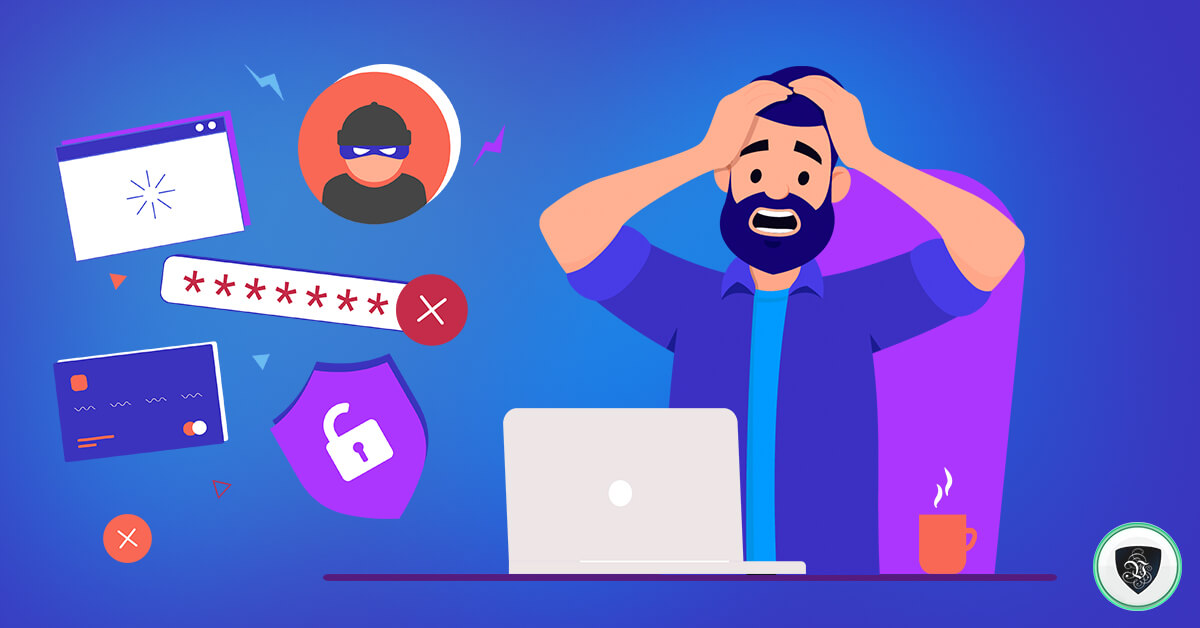
Identity theft is a growing problem that continues to change and evolve in unexpected ways. It occurs when criminals steal your personal data to withdraw funds from your credit cards, access your bank account, sign rental agreements, or use your insurance for their benefit — all forms of fraud.
The Growing Threat
With increasing frequency of corporate data breaches where user information gets stolen from databases, the identity theft problem becomes more serious every year. And now, when almost every cafe, business, or airport offers public Wi-Fi for customers to work, bank, and shop, our identities have become more vulnerable than ever.
Consider the risks you face daily:
- Public Wi-Fi networks — Often unsecured, allowing attackers to intercept data
- Corporate data breaches — Your information stored by companies may be compromised
- Phishing attacks — Criminals impersonating legitimate services to steal credentials
- Man-in-the-middle attacks — Intercepting communications between you and websites
How VPN Provides Protection
While it may be impossible to prevent data breaches at corporations holding your information, you can protect yourself from online identity theft using VPN.
Data Encryption Through Tunneling
VPN encrypts your data through secure tunneling so nobody else — including fraudsters — can see it. This protects your information even when using unsecured networks. Your banking credentials, credit card numbers, and personal details travel through an encrypted tunnel that renders intercepted data useless to attackers.
IP Address Masking
VPN also masks your IP address so your online identity and location cannot be tracked. This makes it significantly harder for cybercriminals to target you. Without knowing your real IP address, attackers cannot:
- Determine your physical location
- Associate your online activities with your identity
- Launch targeted attacks against your connection
- Build a profile of your browsing habits
Protection from Cyber Attacks
Since your IP address remains hidden, you gain protection from various cyber attacks. Criminals cannot target what they cannot find. This invisibility layer adds crucial security when browsing, shopping, or banking online.
When VPN Protection Matters Most
- Coffee shop Wi-Fi — Encrypt data while working remotely
- Airport networks — Protect yourself during travel
- Hotel internet — Secure your connection in unfamiliar locations
- Online banking — Shield financial transactions
- Shopping online — Protect payment information
- Accessing sensitive accounts — Keep login credentials safe
VPN as Part of Identity Protection
VPN serves as a critical component of comprehensive identity protection, but works best alongside other security measures:
- Strong, unique passwords for each account
- Two-factor authentication where available
- Regular monitoring of financial statements
- Caution with sharing personal information online
- Updated antivirus and security software
In an era where our digital and financial lives increasingly intertwine, VPN provides an essential shield against those who would exploit our personal information for their gain.