

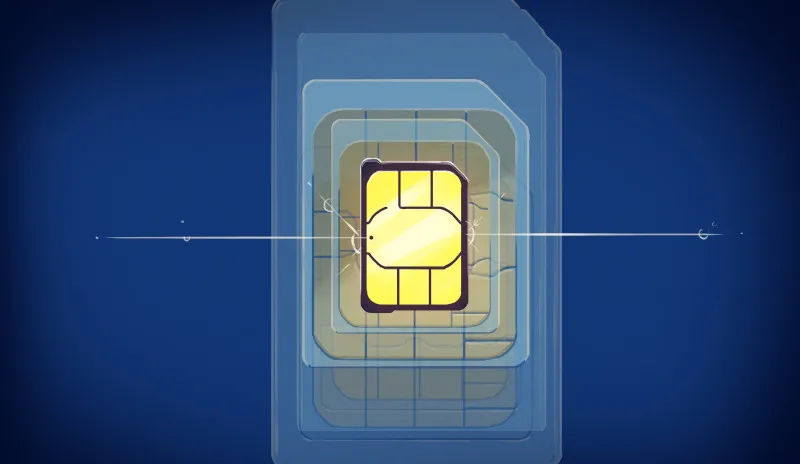
International travel has changed dramatically over the past decades, and so has the way we stay connected abroad. What once required expensive roaming plans and limited communication options has evolved into a seamless, cost-efficient system powered by travel SIM cards, tourist SIM solutions, and advanced eSIM technology.
Understanding how these technologies originated and how they work helps travelers appreciate the convenience they now enjoy. This article explores the history, technical foundations, and future potential of international mobile connectivity.
A Brief History of Roaming and International Communication
1. The Early Days of Mobile Roaming
When international roaming first appeared in the 1990s, it was based on agreements between mobile operators. A traveler could use their home SIM card abroad, but the cost was extremely high due to complex inter-operator billing.
Key challenges included:
- Limited global coverage
- High per-minute and per-megabyte charges
- Unpredictable bills
- Lack of transparent pricing
At the time, mobile roaming was considered a premium service, accessible mainly to business users.
2. The Rise of Local SIM Cards for Travelers
As global travel became more accessible in the 2000s, tourists began buying local SIM cards in each country to avoid expensive roaming fees.
However, this solution also had limitations:
- Travelers had to find physical stores
- Registration often required identification
- Each country required a new SIM card
- Language barriers complicated the process
It was clear that a more flexible and efficient option was needed.
3. Introduction of International Travel SIM Cards
In the late 2000s and early 2010s, the first international travel SIM cards entered the market. They offered:
- Multi-country coverage
- Prepaid data plans for travelers
- More transparent pricing compared to roaming
- Reliable connectivity across different networks
These cards quickly became popular among tourists, backpackers, and digital nomads.
4. The Revolution: eSIM Technology
The introduction of eSIM (embedded SIM) technology marked the next major milestone in mobile connectivity.
With eSIM:
- No physical SIM card is required
- Activation happens digitally via QR code
- Travelers can switch between multiple mobile plans instantly
- The SIM is embedded directly in the device
This shift made travel SIM and tourist eSIM services faster, more convenient, and more secure.
How Travel SIM Technology Works: A Technical Overview
Although the process appears simple to the user, international mobile connectivity relies on advanced network cooperation.
1. Core Components of Travel SIM Cards
A travel SIM card contains:
- A unique subscriber identity (IMSI)
- Authentication keys
- A profile linked to an international mobile network
- Access to multiple partner networks across regions
This allows the SIM to register on foreign networks without relying on a single operator.
2. Network Switching and Coverage
Travel SIM cards use a technology called steering of roaming, which enables them to connect to the strongest or most cost-efficient partner network in a destination country.
This provides:
- Stable mobile data
- Good signal quality
- Optimized pricing for international travel
- Access to both 4G and 5G networks depending on availability
3. Billing and Data Usage Management
Unlike traditional roaming, where charges accumulate after usage, travel SIM cards operate on prepaid or preconfigured data packages.
This ensures:
- Predictable costs
- No unexpected roaming fees
- Real-time usage tracking
It is particularly useful for long-term travelers and those managing their travel budget.
4. How eSIM Works Technically
The eSIM removes the need for a physical card.
It works through:
- A secure element built into the device
- Remote SIM provisioning (RSP) technology
- Encrypted downloadable profiles
- Over-the-air activation
When a traveler scans a QR code or downloads a mobile plan, the profile installs directly into the phone, making the process instant and fully digital.
Why This Technology Became Essential for Travel
1. Global Travel Has Become More Digital
Navigation apps, instant messaging, mobile bookings, and cloud services made reliable internet a travel necessity—not a luxury.
2. Cost Control Is More Important Than Ever
With traditional roaming bills often reaching hundreds of dollars, travelers need predictable, affordable mobile data abroad.
3. Flexibility and Speed
Travel SIM cards and eSIMs allow travelers to:
- Avoid physical stores
- Activate data packages instantly
- Use one plan across multiple countries
- Enjoy high-speed networks everywhere they go
4. Enhanced Security
Mobile data is safer than public Wi-Fi, which often exposes users to cyber threats.
The Future of Travel SIM Cards and Global Mobile Connectivity
As mobile technology continues to advance, international connectivity will become even more integrated and efficient.
Trends shaping the future include:
- Expansion of 5G global coverage
- More devices with built-in eSIM support
- Growth of multi-region and global mobile data plans
- Increased demand from remote workers and digital nomads
- Enhanced security and encryption standards
Travel SIM cards, especially eSIM-based ones, will remain a cornerstone technology for international communication.
Conclusion
The journey from early roaming to modern travel SIM cards and eSIM technology reflects the global shift toward more accessible, reliable, and cost-efficient travel experiences.
Today, travelers can enjoy instant mobile data abroad, avoid excessive roaming fees, and stay connected anywhere in the world with just a few taps on their phone.
Understanding the history and technical foundation behind these solutions shows just how much innovation stands behind something that feels so simple and effortless.