

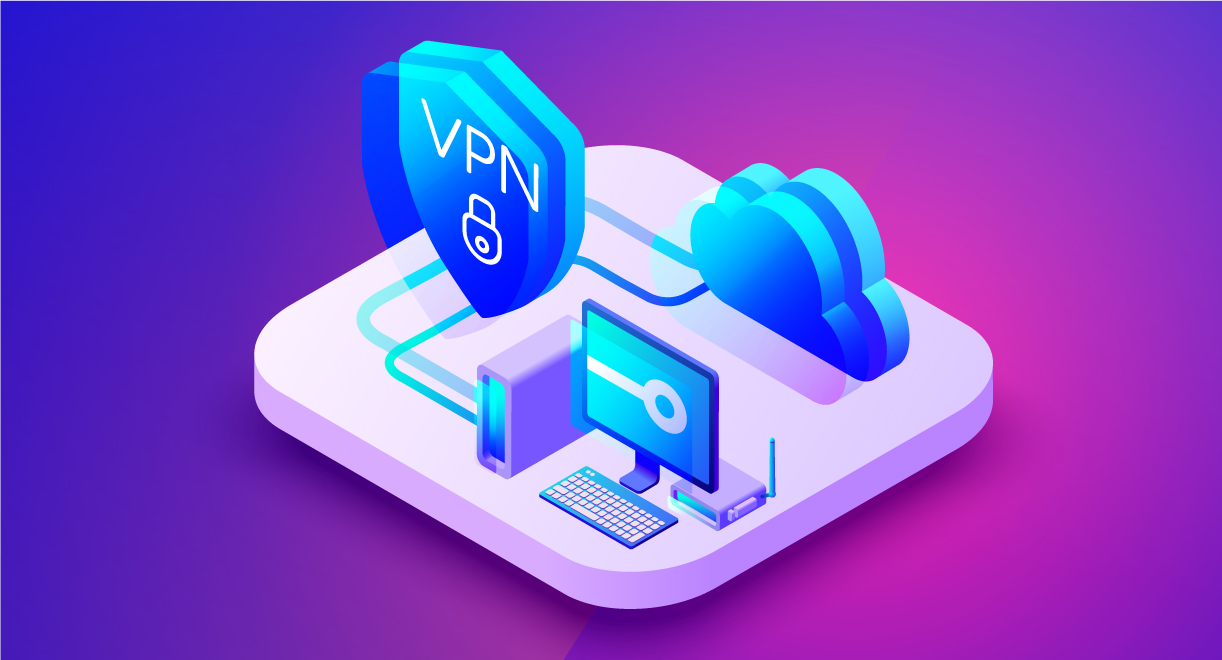
VPN, which stands for Virtual Private Network, establishes a digital connection between your computer and a remote server owned by a VPN provider. This creates a point-to-point tunnel that encrypts your personal data, masks your IP address, and allows you to bypass website blocks and firewalls on the internet. This ensures your web interactions remain private, protected, and secure.
Breaking Down the VPN Definition
By its definition, a VPN connection is:
Virtual
The connection process involves no physical cables. Unlike traditional network connections that require physical infrastructure, VPN operates entirely through software and existing internet connections. Your data travels through virtual tunnels created by encryption protocols, making physical proximity to servers irrelevant.
Private
Through this connection, nobody else can see your data or online activities. The encryption applied to your traffic renders it unreadable to anyone who might intercept it — whether that's hackers on public Wi-Fi, your internet service provider, or any other third party attempting to monitor your connection.
Network
Multiple devices — your computer and the VPN server — work together to maintain the established connection. This network relationship creates a secure pathway for your data, with both endpoints coordinating to encrypt outgoing information and decrypt incoming data seamlessly.
The Technical Foundation
When you connect to a VPN service, several processes occur simultaneously:
- Authentication — The VPN server verifies your identity and connection credentials
- Tunnel Creation — A secure, encrypted pathway forms between your device and the server
- IP Masking — Your real IP address gets replaced with one from the VPN server
- Data Encryption — All traffic passing through the tunnel becomes encrypted
This combination of technologies creates a secure environment where your online activities remain shielded from observation. The VPN server essentially becomes your proxy to the internet — websites see the server's IP address rather than yours, and any data interception attempts encounter only encrypted information.
How VPN Differs from Regular Connections
Without VPN, your internet connection flows directly from your device through your ISP's servers to websites and services. This path leaves your data exposed at multiple points:
- Your ISP can see every website you visit
- Public Wi-Fi networks can intercept unencrypted data
- Websites can identify your physical location via IP address
- Government agencies can request your browsing history from ISPs
With VPN, your connection takes a different route. Traffic first encrypts on your device, travels through the secure tunnel to the VPN server, then continues to its destination. Return traffic follows the same protected path in reverse. This architecture addresses each vulnerability present in standard connections.
Continue reading in Part 2: Why you should use a VPN service — data protection, remote work, regional content access, and privacy benefits.