
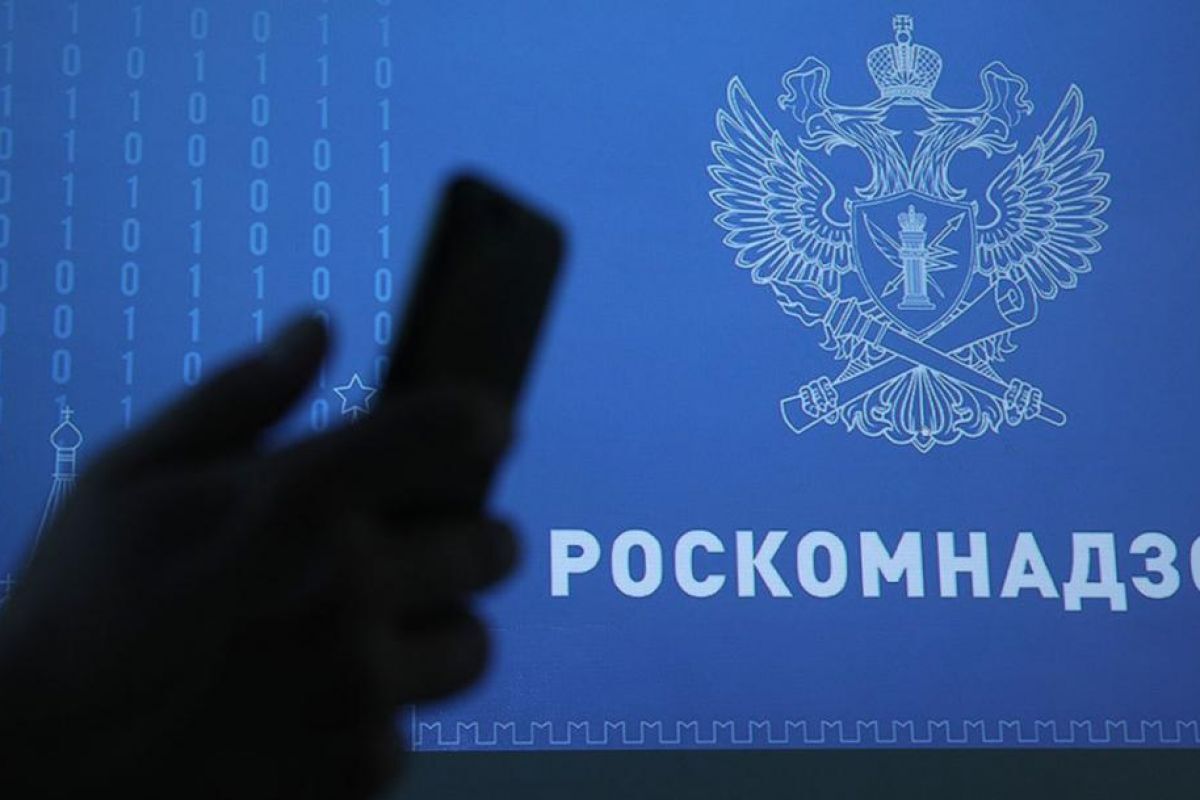
Russia's VPN Detection Efforts Hit a Wall on iPhone
In a significant admission, Maksut Shadayev, the head of Russia's Ministry of Digital Development, has acknowledged that detecting VPN services on Apple's iPhones faces severe limitations. The statement, reported on April 5, 2026, highlights the fundamental tension between government surveillance ambitions and the privacy-first design philosophy embedded in Apple's mobile operating system.
The ministry has distributed methodology recommendations for identifying VPN usage to more than 20 major Russian internet companies, including industry giants such as Sber, Yandex, VK, and Wildberries. These guidelines outline a three-step process for detecting VPN connections: first, analyzing a device's IP address and comparing it against known Russian address ranges; second, performing checks through the company's own mobile application; and third, cross-referencing data from other operating systems such as Windows and macOS.
Why iOS Presents a Unique Challenge
The core problem lies in Apple's approach to app isolation. iOS enforces strict sandboxing rules that prevent third-party applications from inspecting network configurations or other apps running on the device. As Shadayev himself stated, the platform "isolates third-party apps," making it extremely difficult for any service provider's application to determine whether a VPN tunnel is active on the device. This architectural decision by Apple, designed to protect user privacy and security, effectively creates a shield against the type of deep device inspection that VPN detection requires.
While the second step of the proposed methodology — checking via a company's own app — might work to some extent on Android devices, iOS renders this approach nearly useless. The operating system simply does not grant the necessary permissions for one app to monitor another app's network activity or detect the presence of a VPN profile.
Additional Technical Obstacles
Beyond the iOS challenge, the ministry's recommendations acknowledge several other technical hurdles that complicate VPN detection across all platforms. Users who configure VPN services directly on their home routers make device-level detection impossible, since the encrypted tunnel is established before traffic ever reaches the device. Similarly, virtual machines, split tunneling configurations, proxy servers, and content delivery network (CDN) services all create additional layers of obfuscation that can mask VPN usage from detection systems.
Despite these acknowledged difficulties, the Russian government has set a firm deadline: all companies that received the methodology must implement VPN usage restrictions by April 15, 2026. How effectively these restrictions can be enforced, particularly on Apple devices, remains an open question that the ministry itself appears unable to fully answer.
Why This Matters for VPN Users
This development is highly significant for anyone relying on VPN services for privacy, security, or unrestricted internet access in Russia. The official acknowledgment that iOS provides robust protection against VPN detection confirms what security experts have long understood: Apple's privacy architecture offers meaningful resistance to surveillance at the operating system level. For iPhone users, this means that well-configured VPN services like ASMO360 VPN continue to provide a strong layer of protection. However, users should remain vigilant about other detection vectors, particularly IP-based analysis, and ensure they use modern VPN protocols with traffic obfuscation capabilities to maintain their digital privacy.